
Unlocked: The Fibromyalgia Recovery Program
12 WEEKS · LIVE ONLINE · 8 TO 10 PEOPLE
The science on fibromyalgia recovery is clear. The method is not. This program is the method. Twelve weeks, live online, in a small group, to get your life back without chasing another protocol.
If you complete the program and have not improved, you may join the next running group at no additional cost. US residents, 18 and over.
JOIN THE NEXT COHORTNot ready to decide? Watch the free information session first.
Unlocked: The Fibromyalgia Recovery Program
12 WEEKS · LIVE ONLINE · 8 TO 10 PEOPLE
The science on fibromyalgia recovery is clear. The method is not. This program is the method. Twelve weeks, live online, in a small group, to get your life back without chasing another protocol.
If you complete the program and have not improved, you may join the next running group at no additional cost. US residents, 18 and over.
JOIN THE NEXT COHORTNot ready to decide? Watch the free information session first.
NEXT COHORT
Starts Tuesday, January 12 · Tuesdays, 6:30pm Central, 90 minutes
Twelve weeks, ending March 30 · Eight to ten seats
Founding rate holds until the seats are filled

THE PROBLEM IS NOT THAT YOU HAVE NOT TRIED
You have already tried more than most people ever will.
Rheumatology. Physical therapy. Elimination diets. Supplements that worked for a month. A functional medicine panel with four things to fix. Maybe an antidepressant you were told was really for pain.
Some of it helped. Most of it faded.
If you have started to wonder whether you are the problem, I want to say plainly that you are not. You have been doing the right thing with the wrong map.
I spent years and a lot of money trying everything. This is the first thing that actually worked. I have my life back, and my family can’t believe the difference.
Anthony Fazio, Oyster Bay, NY
Knowing the science is not the same as having a method
The gap is a method, not knowledge
You may already know the mechanism. Pain is a protection decision, not a damage meter, and a nervous system that has learned to produce pain can be taught to stop.
Knowing that changes very little on its own.
The answer sits scattered across pain neuroscience, somatic work, sleep research, behavior change and nutrition. Your rheumatologist was not trained in it. Your therapist has the emotional half and not the physiological half. Everyone you have seen has been holding one piece and doing their best with it.
Nobody put the pieces in order and walked you through them. That is the whole reason this exists.
Watch: how Unlocked actually works
Under four minutes.

WE RUN THIS IN A GROUP BECAUSE IT WORKS BETTER, NOT BECAUSE IT COSTS LESS
Group therapy for chronic pain has been studied across 29 trials and more than 4,500 people. Outcomes match individual therapy. Not a thinner version of one to one. An equal one.
Then there is fibromyalgia specifically. The strongest trial in the field ran 230 people through small groups, eight 90-minute sessions, doing emotional awareness and expression work. They were nearly three times as likely to cut their pain by at least half as people receiving cognitive behavioral therapy, the current gold standard.
That trial ran in small groups of eight to ten, ninety minutes at a time. So does this. Twelve weeks rather than eight, but the same shape. I did not invent a format.
Being disbelieved, year after year, is not a side effect of this illness. It is threat load, and threat load is part of what keeps your symptoms loud. So a room of people who recognize themselves in you is not comfort around the edges of the work. It is some of the work.
This is not a support group.
Rooms that run on comparing symptoms make people worse. There is research on why.
This one is governed. That is the whole difference.
The shape of the program
Twelve weeks, in an order that matters
Most programs hand you everything at once. This one is sequenced, because the later work does not hold without the earlier work.
Four blocks. Each one makes the next one possible.
Weeks 1 to 5
Understand and Settle
Pain neuroscience, the Loaded and Locked model, mindfulness, sleep.
- Understand what is actually generating your symptoms, in plain language, backed by the research
- Know why your labs came back normal, and why that was never a dismissal
- Have a daily attention practice running, which is the instrument everything later depends on
- Be sleeping better, which is usually the first change people feel
Weeks 6 to 8
Build Capacity
Behavior design, nutrition, graded exposure.
- Two habits built to survive a bad week, using habit design rather than willpower
- The three food changes that matter for inflammation and load, and the twenty that do not
- One movement you have been avoiding, approached through graded exposure rather than pacing
Weeks 9 to 10
Face It Safely
Somatic tracking, emotional awareness and expression, polyvagal and parts work.
- Somatic tracking, the core skill in Pain Reprocessing Therapy, and emotional awareness and expression, the approach with the strongest trial evidence in fibromyalgia. Both taught, then practiced in the room
- What to do on the days it is not working, named in advance rather than discovered alone
- The non-pain threats that quietly raise your pain, worked through without retelling your history

Weeks 11 to 12
Integration
Setback science, the support audit, the long-run plan.
- A written flare protocol, built before you need it, so a bad week stops meaning starting over
- Clarity on which of your supports are genuinely helping and which are quietly keeping you stuck
- A long-run plan you can take to your own care team and keep working
- Your own before and after in your hands, measured at four points
Weeks 1 to 5
Understand and Settle
Pain neuroscience, the Loaded and Locked model, mindfulness, sleep.
- Understand what is actually generating your symptoms, in plain language, backed by the research
- Know why your labs came back normal, and why that was never a dismissal
- Have a daily attention practice running, which is the instrument everything later depends on
- Be sleeping better, which is usually the first change people feel
Weeks 6 to 8
Build Capacity
Behavior design, nutrition, graded exposure.
- Two habits built to survive a bad week, using habit design rather than willpower
- The three food changes that matter for inflammation and load, and the twenty that do not
- One movement you have been avoiding, approached through graded exposure rather than pacing
Weeks 9 to 10
Face It Safely
Somatic tracking, emotional awareness and expression, polyvagal and parts work.
- Somatic tracking, the core skill in Pain Reprocessing Therapy, and emotional awareness and expression, the approach with the strongest trial evidence in fibromyalgia. Both taught, then practiced in the room
- What to do on the days it is not working, named in advance rather than discovered alone
- The non-pain threats that quietly raise your pain, worked through without retelling your history
Weeks 11 to 12
Integration
Setback science, the support audit, the long-run plan.
- A written flare protocol, built before you need it, so a bad week stops meaning starting over
- Clarity on which of your supports are genuinely helping and which are quietly keeping you stuck
- A long-run plan you can take to your own care team and keep working
- Your own before and after in your hands, measured at four points
What a Tuesday night actually looks like
6:30pm Central. Eight to ten faces. Ninety minutes.
- Five minutes of regulation practice. We settle before anything else.
- Fifteen minutes on what you tried this week and what you noticed. Never on how bad it was.
- Forty to fifty minutes going deeper on the week's concept, questions taken throughout.
- Most weeks, one person gets coached in depth while everyone watches. People often learn more watching than being coached, because they are not busy defending.
- Ten minutes to close and assign.
You never have to speak. Pass is a complete answer, every time.
Cameras are usually on. Bed, floor, no makeup, lying down, all fine.
Between sessions: one short video, one guided practice, one written assignment. Around forty minutes across the week, sized for a bad day rather than a good one. Every session is recorded, so a flare week does not cost you the week.
EVERYTHING YOU GET
What is included
- Twelve live 90-minute sessions in a group of eight to ten, led by a fibromyalgia specialist
- A 30-minute intake and health history call with me before week one
- Twelve concept videos and twelve guided practice recordings
- Participant workbook and weekly assignments
- A private cohort thread
- Guidance on working with your doctor, and on choosing practitioners for the long run
- Measurement at four points, and your own before and after report at week twelve
- Every session recorded, with twelve months of access

What the research says you can expect
Recovery from fibromyalgia is not a fringe idea. It is where the science has been pointing for a decade.
European rheumatology's official guidance puts patient education and non-drug approaches first in fibromyalgia care, and names exercise as the single strongest recommendation in the guideline. Not as a fallback after medication disappoints. First.
Three trials worth knowing.
- Emotional awareness and expression therapy, the approach behind the emotional work in weeks 9 and 10, tested directly against cognitive behavioral therapy in 230 people with fibromyalgia. Patients were nearly three times as likely to cut their pain by at least half, 22.5% against 8.3%. Published in Pain in 2017.
- A phase 3 trial of digital acceptance and commitment therapy for fibromyalgia, the largest fibromyalgia device study ever run, produced significant improvements in pain intensity, pain interference, fatigue, sleep and depression. Published in The Lancet in 2024. The FDA authorized the treatment in 2023.
- In the Boulder Back Pain Study, around two thirds of people were pain free or nearly pain free after four weeks of pain reprocessing therapy, with most holding those gains a year later. That trial was in chronic back pain rather than fibromyalgia, and the mechanism it works on is the one this program is built around.
This program is built from those approaches, in the order the evidence supports, over twelve weeks instead of eight, with sleep, food, movement and behavior change built in around them.
What that looks like in your life
- Pain that takes up less room in your day and stops deciding what you say yes to
- Sleep that actually restores something
- Fewer flares, and flares that end faster because you know exactly what to do
- Energy for the things you have been rationing: work, people, movement, travel
- A body you are not monitoring all day long
- A plan you can keep working with your own care team long after week twelve
Most people notice something shifting in the first few weeks. Sleep usually moves first. The larger changes come from stacking twelve weeks of the right work in the right order.
And you will know where you landed, because we measure at four points and you leave holding your own before and after.
What I promise, and what I do not
I am not going to tell you how much your symptoms will improve. Most people do improve, some of them a great deal, and putting a number on your case before I have met you would not be honest.
Here is what I will promise, to everyone, without exception.
You will finish with a plan you can keep running for the rest of your life. You will know the actual steps and the order they go in. You will know where the real answers are, and where you are likely to be led astray. You will know how to work with your doctors and lead your own care rather than hoping. And you will know exactly what to do the next time a flare arrives.
That part is not a maybe. Twelve weeks from now you should not need me, and that is the point.
FOUNDING RATE
$1,100
Twelve weeks. Paid once, at checkout.
WHAT THIS WOULD COST YOU TO ASSEMBLE YOURSELF
- Pain-informed therapist, weekly for 12 weeks: $1,200 to $3,000
- Functional medicine consult plus two follow-ups: $700 to $1,300
- Nutrition and lifestyle coaching, six sessions: $600
- Somatic or pain reprocessing practitioner, eight sessions: $1,200
- Someone coordinating all four: does not exist
Total: $3,700 to $6,100
And none of those four people would have talked to each other. That is the actual problem, and it is why most people with fibromyalgia have spent years and thousands of dollars collecting pieces that never became a plan.
WHAT YOU GET FOR $1,100
- Twelve live 90-minute sessions in a group of eight to ten, led by a fibromyalgia specialist
- A 30-minute intake and health history call with me before week one
- Twelve concept videos and twelve guided practice recordings
- Participant workbook, weekly assignments, and a private cohort thread
- Measurement at four points, and your own before and after report
- Every session recorded, with twelve months of access
Full refund any time up to the end of session two. Finish the twelve weeks and if you are not better, you do the next group at no cost. Full terms.
This program does not replace your doctor. Keep your medical team. This is the part nobody on that team has time to do.
What It’s Like Working with a Chronic Illness Health Coach
"I finally understand what was happening to me."
I saw countless doctors and specialists, and things only got worse. Rob is the first person who explained why my symptoms kept coming back, then gave me a plan and stayed with me until things changed. I have my life back.
Alex Huberman
Miami, FL
What It’s Like Working with a Chronic Illness Health Coach
"It took a holistic approach for me to get better."
It’s like getting a Somatic Coach, Functional Practitioner, Personal Trainer, and Life Coach all in one. For the first time in years I feel like myself again.
Laura Hoyt
Chicago, IL
This is not for you if
- Your symptoms are still being investigated and you do not have a diagnosis
- You are currently in psychiatric crisis
- You are looking for a purely medical protocol of labs and supplements
- You cannot commit to a live 90-minute session most Tuesday evenings for twelve weeks
If one of these is true right now, this is not the right moment, and I would rather tell you than take your money. Email me and I will point you somewhere more useful.
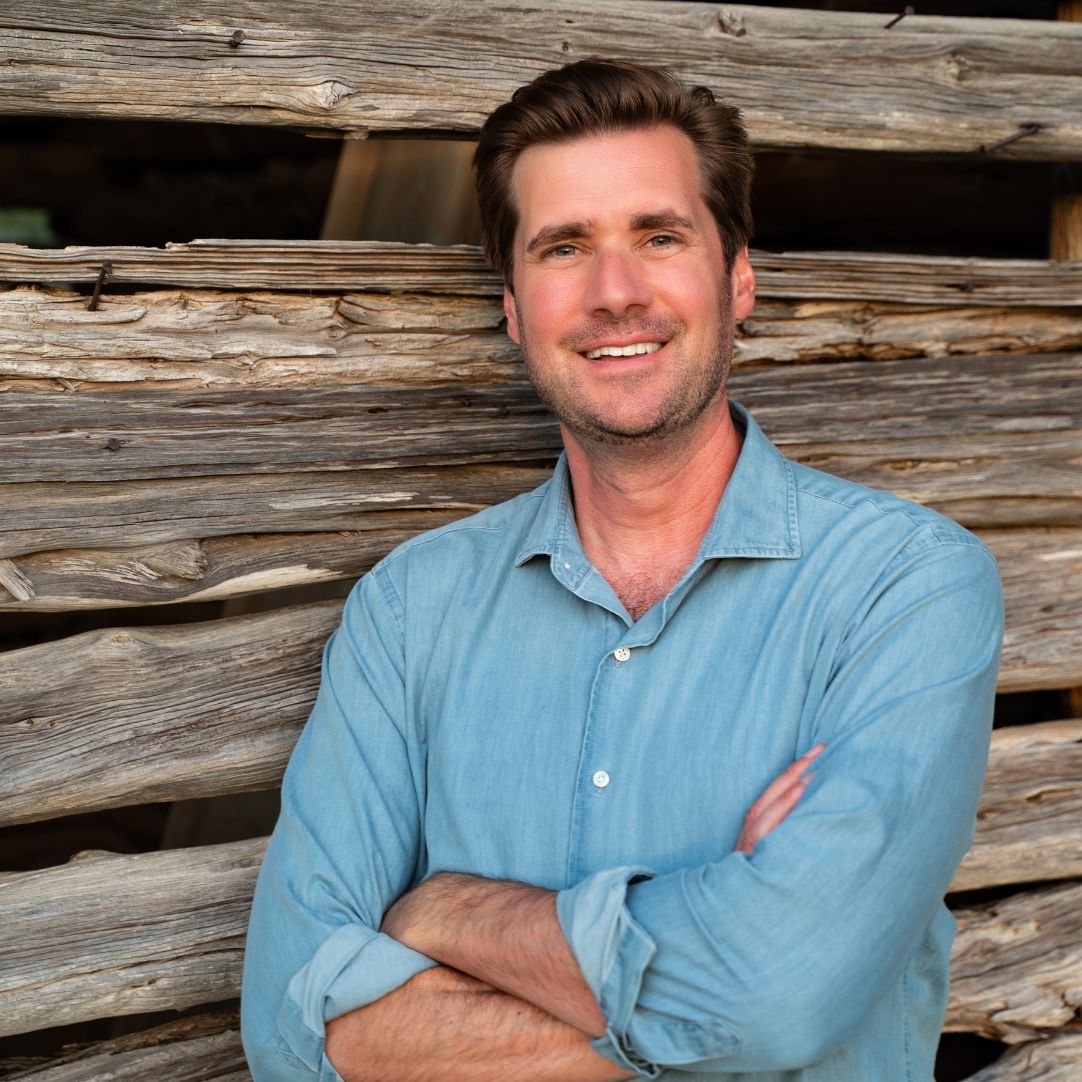
Hi, I’m Rob Caliolo
I spent years with symptoms nobody could explain.
Chronic fatigue, migraines, acid reflux, bloating, back pain, neck pain, dizziness, jaw tightness, tinnitus, fevers. The list kept growing and nothing on it made sense together.
I built Westlake Wellness so nobody else would have to assemble the answer alone.
I saw countless doctors, specialists, and physical therapists. I tried medications, protocols, massage, heat, cold, you name it. I even bought disability insurance because I didn’t know if I’d be able to keep working.
I was told I might have fibromyalgia, IBS, GERD, tarsal tunnel syndrome, a degenerative disc, mono. The list goes on. But nothing ever quite fit. And nothing really helped.
Eventually, I discovered a different way forward, one that addressed not just my symptoms, but the deeper nervous system patterns and physiological imbalances driving them.
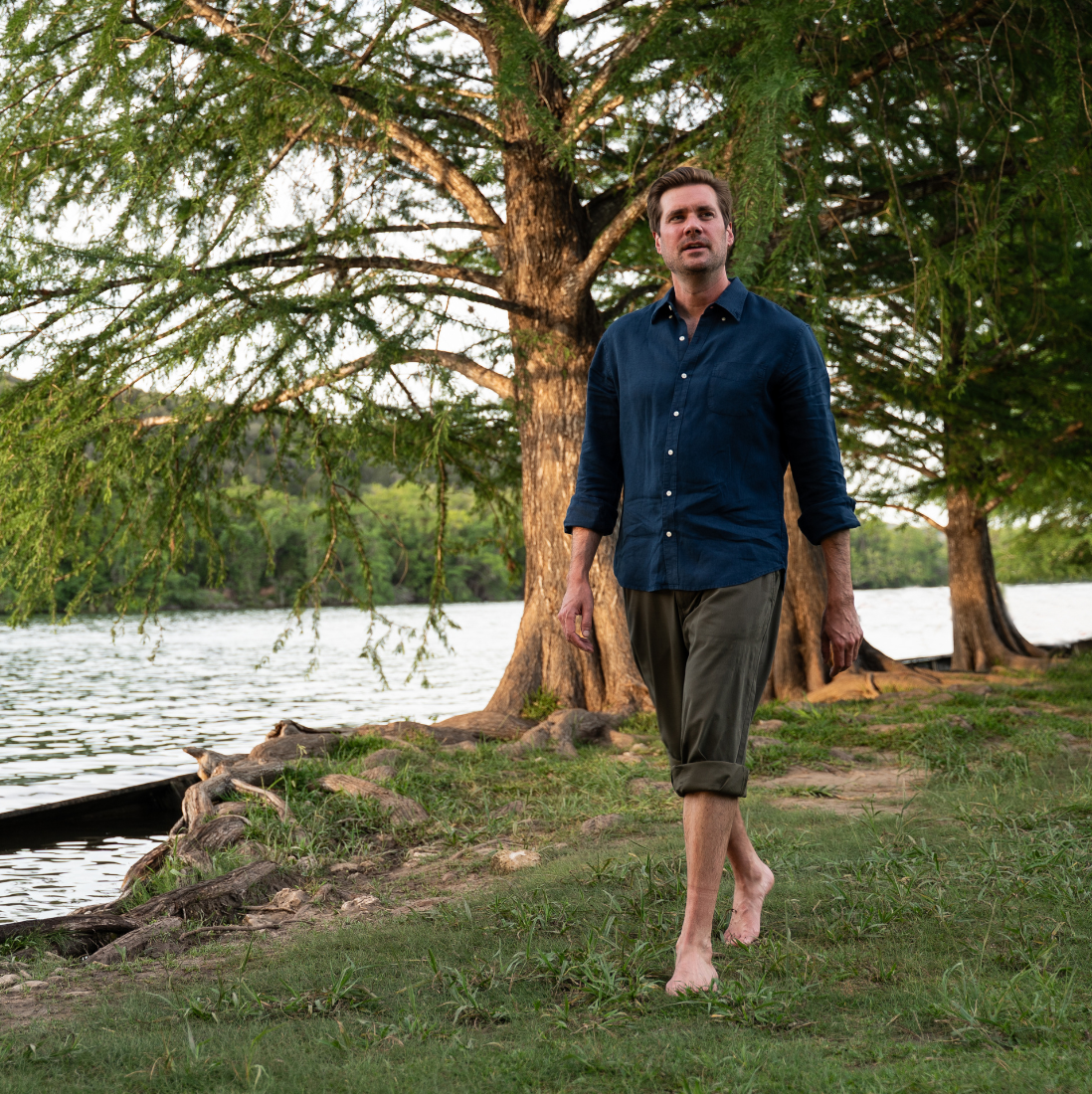
I saw countless doctors, specialists, and physical therapists. I tried medications, protocols, massage, heat, cold, you name it. I even bought disability insurance because I didn’t know if I’d be able to keep working.
I was told I might have fibromyalgia, IBS, GERD, tarsal tunnel syndrome, a degenerative disc, mono. The list goes on. But nothing ever quite fit. And nothing really helped.
Eventually, I discovered a different way forward, one that addressed not just my symptoms, but the deeper nervous system patterns and physiological imbalances driving them.
I am a Nutritional Therapy Practitioner (NTP) and a Restorative Health Practitioner (RHP), with advanced training in Pain Reprocessing Therapy and somatic EMDR.
That spread is deliberate. Fibromyalgia sits across nutrition, the nervous system and emotion, and almost everyone working in it is trained in one of the three.
Think of me as the person who quarterbacks your recovery. I am not a doctor and I am not a therapist. I am an expert in this particular problem, and I will help you navigate it alongside the people who are.
JOIN THE NEXT COHORTQuestions
Everything a call would normally cover.
Can I learn more before I decide?
Yes. There is a free information session you can watch whenever suits you. It walks through all twelve weeks, shows how a session actually runs, and is honest about who this is not for.
Watch the information session. No cost, and nothing to commit to.
How is this different from everything else I have tried?
Most of what you have tried treated one piece. A diet, a supplement protocol, a course of physical therapy, a medication. Each was reasonable. Each was partial. This is a sequence rather than a protocol, and it works on what is actually generating the symptoms, in an order where each week makes the next one possible. It is also twelve weeks of live contact with someone who does this specific work, rather than a course you do alone.
Are you saying my symptoms are psychological?
No. Your pain is real, it is physically produced, and it is visible in how the nervous system behaves. Neuroplastic does not mean imaginary. It means the pain is generated by a system that has learned to produce it, which is a physical process happening in your body right now. What a nervous system learns, it can unlearn. That is the entire basis for this work.
I have already done functional medicine, labs, supplements and diets. Why would this be different?
Because it works from a different model, and if the other one had been the answer for you it would have worked by now. Functional medicine looks for a biological cause to correct, which is genuinely useful for some people, and you were right to try it. When it does not resolve things, the usual conclusion is that the right cause has not been found yet. That is what keeps people testing for years.
This program starts somewhere else: the symptoms are being maintained by threat, attention and learned loops, and those respond to something other than another panel.
What if my labs really do show something?
Then it gets treated, by your doctor, and this runs alongside that. Nothing here asks you to ignore a real finding. Ruling out damage is a physician's job and a good one will do it properly. What this addresses is what happens after that work is done and you are still in pain.
Is there evidence this works for fibromyalgia specifically?
There is a real and growing evidence base for nervous-system approaches to chronic pain, fibromyalgia included. The FDA authorized the first prescription digital therapeutic for fibromyalgia in 2023 built on this model, with pivotal trial results published in The Lancet in 2024. Pain reprocessing has strong trial data in chronic back pain. I write about the research in more depth in the Resources section of this site.
What I will not do is quote you a recovery percentage for this program, though most can expect significant improvement. One thing I will promise is that you will leave this program with a clear path you can take forward with you for the rest of your life.
I am more severe or more complicated than most people. Will this work for me?
Long, complicated histories are the norm in this work, not the exception. The people in the trials behind this method had been unwell for years and had already tried a great deal before they started, and they still did well.
What matters more than severity is capacity to engage. If you can get to a live session most weeks and manage around forty minutes of practice across the week, complexity is workable.
If you are currently in crisis, or your symptoms are still being investigated, this is the wrong moment. I will tell you that on the intake call rather than take your money.
Why should I trust coaching rather than a doctor or a therapist?
You should not choose. Keep your doctor. Keep your therapist if you have one. What neither is set up to provide is twelve weeks of structured, sequenced work combining pain science, nervous system regulation, sleep, movement, food and behavior change under one person who knows how they fit together. A ten-minute appointment cannot do it and a fifty-minute therapy hour is aimed at something else. That gap is what this fills.
I have had bad experiences in support groups.
So have most people who come to this, and it was not your fault. Groups that run on symptom comparison reliably make people worse. There is research on it. This one is governed: we open on what you tried and what you noticed rather than how bad the week was, nobody gives advice, and nobody trades supplements or tests. Written out the rules sound restrictive. In the room they are what make it safe to stop performing.
What if I do not want to talk?
Then do not. Pass is a complete answer, every time, and it never needs explaining. Plenty of people spend the early weeks mostly listening. That is a normal way to do this, not a lesser one.
Do I have to have my camera on?
We ask, and here is the honest reason. What makes a group work is watching someone else's face while they say the thing you thought only you felt. That does not happen on audio. Bed, floor, lying down, no makeup, bad lighting, all completely fine. On a day when being seen is too much, turn it off and stay with us anyway.
What if I miss a session?
You will miss some, and it is planned for. Flares happen. Every session is recorded, there is only ever one practice to catch up on, and missing a week is not dropping out. The only way to fall out of this group is to decide that you have.
What is the time commitment?
Ninety minutes live on Tuesday evenings, plus roughly forty minutes across the rest of the week for one short video, one guided practice and one written assignment. All of it is sized for a bad day rather than a good one.
What technology do I need?
A device with a camera and an internet connection. Sessions run on Google Meet in a browser. Nothing to install.
What about labs, supplements and one to one time?
They are not part of this program, and that is a choice about focus rather than a limit on what I can do. I am a Nutritional Therapy Practitioner and a Restorative Health Practitioner, so if something in your history deserves a closer look, I will say so and help you work out where to take it.
These twelve weeks are aimed at something different, and doing that properly takes all twelve.
One thing that is included: a short foundational supplement list, offered at onboarding through my dispensary at the lowest margin the platform allows. Optional, never required, and I make nothing on it.
Can I join from outside the US?
Not currently. Enrollment is open to US residents aged 18 and over.
What happens right after I buy?
You set a password and get immediate access to a Start Here module: a welcome video, your intake and health history forms, the consent and scope agreement, a link to book your 30-minute intake call with me, the group agreements, and everything you need before week one. I read every intake form before we speak.
I cannot afford to waste more money on something that does not work.
That is the right instinct and I have tried to build for it. There is a full refund available any time up to the end of session two, so you can see two sessions and a chunk of the material before you are committed. And if you complete the program and have not improved, you join the next group at no cost.
What are you actually promising?
Two different things, and the difference between them is the point.
On symptoms I am promising nothing specific. Most people improve, to varying degrees, and I will not quote you a percentage without knowing your specific case.
On the plan I am promising everything. Every person who completes the twelve weeks leaves knowing the steps, the order they go in, where to find real answers, where they are likely to be led astray, how to lead their own care team, and what to do in a flare. None of that depends on how your symptoms respond. It depends only on the work being taught, and that part is entirely in my hands.
Which means the twelve weeks cannot be wasted, even in the case where your symptoms move less than either of us hoped.
How does the guarantee work?
If you do the twelve weeks and you are not better, you come back and do the next group with me, and it costs you nothing.
There are conditions, because it only works if you turn up and do the practice, and the full wording is on the program terms page. The spirit of it is simple though. I am not going to keep your money if I did not help you.
Are payment plans available?
Klarna and Afterpay appear as options at checkout if you want them. Those are agreements between you and the provider.
What if I cannot make this cohort?
Leave your details at the bottom of this page and I will let you know when the next one opens. Worth knowing that the price rises for the second cohort, and the founding rate does not come back.
Ready to start?
The next cohort starts Tuesday, January 12. Tuesdays, 6:30pm Central. Eight to ten seats at the founding rate, and they are filled in order.
JOIN THE NEXT COHORTStill deciding?
Watch the free information session. A full walkthrough of the twelve weeks, how a session actually runs, and who this is and is not for. No cost, and nothing to commit to.
WATCH THE SESSIONCANNOT MAKE JANUARY?
Tell me when the following one opens
Leave your details and I will let you know when the cohort after this one opens. Worth knowing the founding rate does not come back, so the price will be higher.
CANNOT MAKE JANUARY?
Tell me when the following one opens
Leave your details and I will let you know when the cohort after this one opens. Worth knowing the founding rate does not come back, so the price will be higher.